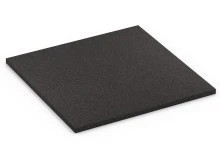
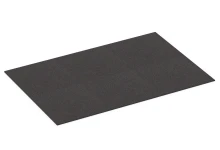
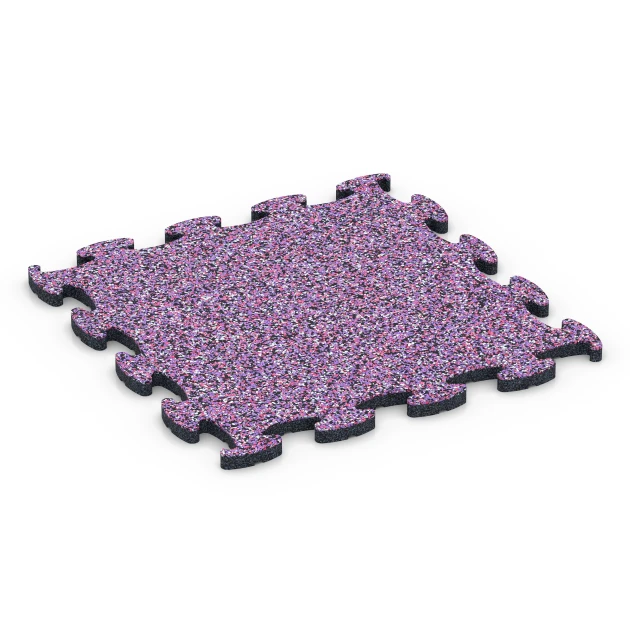
Balcony Deck Tiles XT "Lavender"
- /
-
Ready to ship
in approx. 3-4 weeks – production yet to start - £84.92 / 5.03 Piece / m²
- (3.17 kg / Piece)
EAN: 4251469367920 | Item no.: 6792
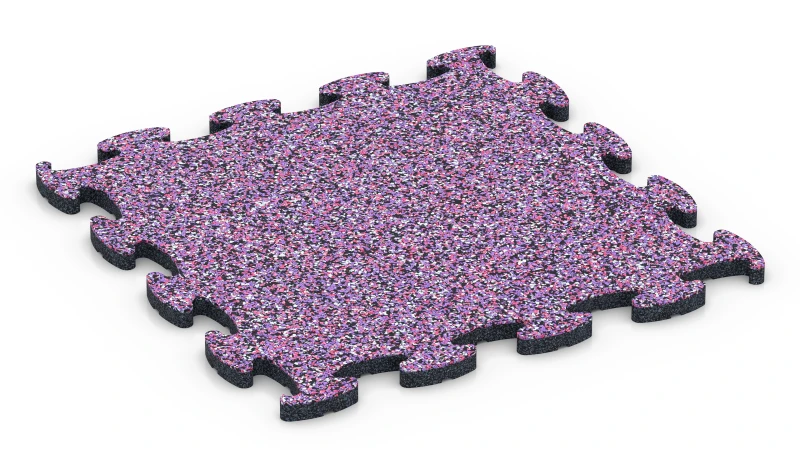
Type XT Balcony Deck Tiles are 1.8 cm thick and precision-cut. Once laid, the surface looks as though it has been poured because only a tight joint remains between the tiles. The wearing layer is made from through-coloured EPDM rubber granules, while the base layer is made from ELT granules. On balconies and loggias, the covering is resilient underfoot, hard-wearing, long-lasting and colour-stable.
How comfortable is rubber balcony flooring?
The surface feels warm beneath bare feet. Children can spread their toys out directly on it. Even if it has just rained, the surface remains slip-resistant. If someone trips, the resilient flooring cushions the fall. This provides comfort and safety for children, older people and pets. The covering almost completely muffles noise from footsteps, moving chairs and rolling toys. Neighbours in blocks of flats benefit too. On a steel balcony with a sheet metal floor, it also reduces the drumming noise caused by walking.
What is rubber balcony flooring made from?
The tiles have two layers with different functions. The wearing layer comes into contact with hands and feet. It is made from newly produced EPDM rubber granules that are coloured throughout. This means the tiles retain their colour even as the surface wears over time. The base layer is made from recycled tyre rubber granules known as ELT granules. It carries the load and absorbs impacts. Garden furniture therefore leaves no permanent indentations during normal use. The balcony covering weighs around 16 kg per square metre. Freshly unpacked tiles sometimes smell of rubber. Outdoors, this smell soon fades.
Can I lay rubber balcony flooring myself?
Yes. You do not need a tradesperson. Existing tiles or waterproofing membranes generally provide a suitable substrate. Other examples include screed, timber boards, WPC, sandwich panels and sheet metal floors. The substrate must be load-bearing, stable and largely level over the long term. The tiles are simply laid in place, with no drilling, bonding or screws. The waterproofing therefore remains untouched. The optimised jigsaw interlock joins each tile to its neighbours, so the edges do not lift. Tiles along the perimeter and at the railing can be cut with a jigsaw or circular saw. Tenants can lift the covering without leaving any residue when they move out and lay it again on their new balcony.
Is rubber balcony flooring weatherproof?
Rainwater passes through the tiles. On an impermeable substrate, the water runs along shallow drainage channels on the underside, following the slope towards the drain. This prevents water from collecting on the balcony, and the covering dries quickly. Frost does not harm the tiles, so they can stay in place throughout winter. Leaves and crumbs can be swept away with a broom or picked up with a vacuum cleaner.
Can I raise the floor height or order tiles cut to fit?
The balcony covering does not need a substructure. Type XX functional tiles placed beneath the covering increase the build-up height and reduce impact sound further. If you want to avoid cutting the tiles, you can use the laying planner on the WARCO website to create a drawing of the balcony. WARCO can use the generated DXF file to supply the tiles cut to fit for an additional charge. You then only need to lay them out on the balcony in the correct order.


Discount