EAN: 4251469370784 | Item no.: 7078
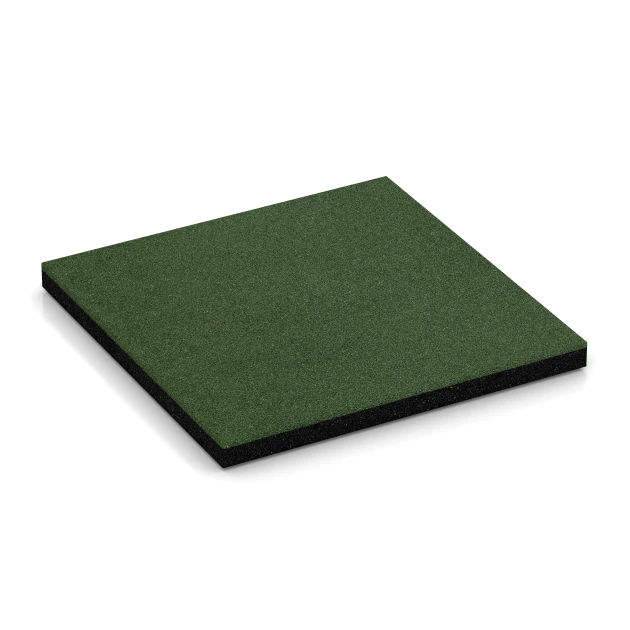
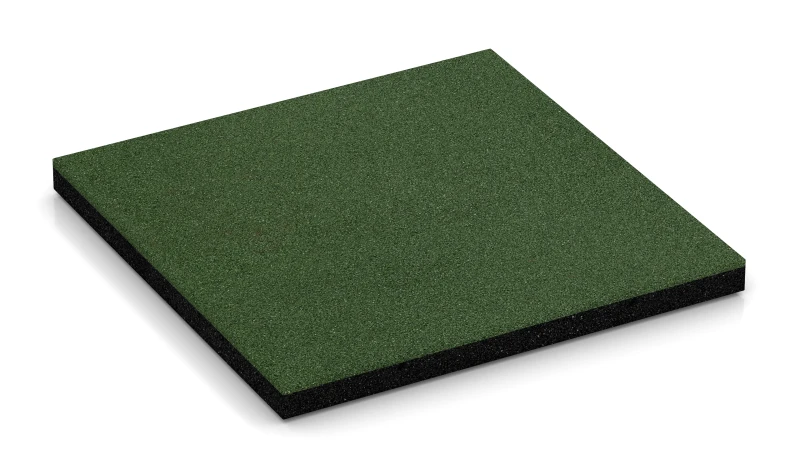
Dog Run Flooring Type FF consists of tiles made from rubber granules bonded with polyurethane. The tiles have bevelled edges and a grippy, slip-resistant surface. Plastic connecting pins join the tiles, while an edge restraint around the whole area keeps the surface together. This resilient, water-permeable flooring is suitable for outdoor runs and indoor areas. It also insulates against cold from the substrate.
How does the flooring feel for my dog?
A dog in the run can spend time in the fresh air even when no one has time for a walk. Whether the dog runs along the fence, plays with a ball or stretches out in the sun, its paws and claws get a good grip on the surface, even when it is wet. The flooring feels pleasantly resilient underfoot and is kind to paws. When the dog lies down, it is not lying in mud in wet weather or dust in dry weather.
How are the tiles made?
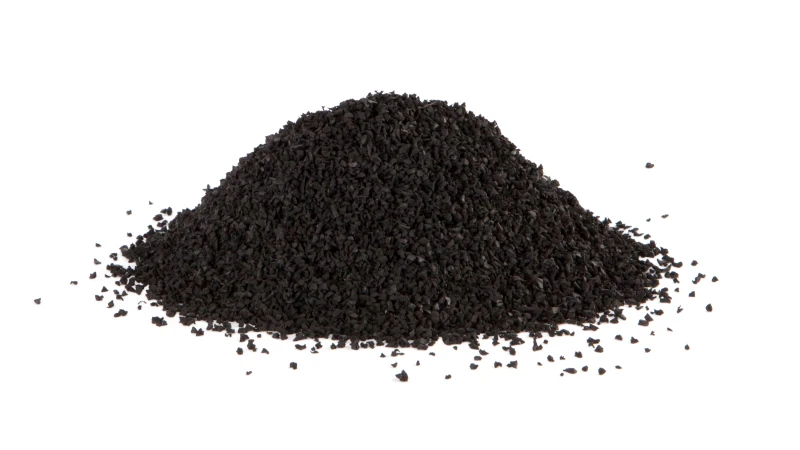
The tiles are made from recycled tyre rubber granules (ELT) bonded with polyurethane. Each tile has two layers. The top is a compacted layer of finer granules. The layer below is made from coarser granules, carries the load and cushions impacts. The edges are bevelled. The flooring does not rot or splinter, and frost does not damage it. New tiles may smell of rubber at first. The smell fades after a short time, particularly quickly outdoors.
Where can the flooring be used?
The flooring can be used for a run in the garden, a fenced area beside the house or a run at an animal rescue centre or dog boarding facility. It is suitable for outdoor areas, halls and other indoor spaces. Outdoors, it can remain in place throughout the year. Indoors, the substrate must tolerate moisture because water and urine pass through the tiles. A damaged tile can be replaced individually. If the area is altered, the tiles can be lifted and relaid elsewhere.
How are the tiles installed?
Plastic connecting pins sit in holes along the tile edges. They always connect tiles in neighbouring rows. The tiles are therefore laid in half bond, with each row offset by half a tile. This connects each tile to four others, with two in the row before and two in the row after. Every second row begins and ends with a half tile so that it finishes flush at both edges. A circular saw is best for making the cut. The whole area needs a firm edge restraint, such as kerbs, to prevent the tiles from moving apart. The tiles are not fixed to the substrate itself. The substrate must remain load-bearing and stable over time, and it must be largely level. Suitable examples include concrete, paving and asphalt. On lawn, soil or gravel, gravel grids filled with chippings form the base.
How is the run kept clean and dry?
Rainwater and urine pass through the tiles. On an impermeable substrate, water flows down the gradient through shallow drainage channels on the underside. On gravel grids, it soaks into the ground. This prevents puddles from forming and allows the surface to dry quickly after rain. A broom, garden hose or pressure washer is sufficient for cleaning. Areas where the dog regularly urinates should be rinsed more often with plenty of water to prevent odours from building up.